
Understanding food and mood
Poor food choices and irregular eating habits can contribute to mood swings and intensify depression. Choosing healthier foods and paying attention to eating routines can make a significant difference in steadying mood.
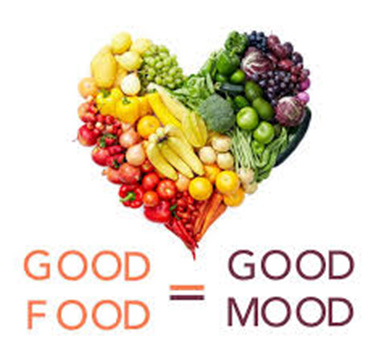 Mood affects food and food affects mood
Depression affects eating habits and a common warning sign for depression is changes in appetite and weight.
Often low motivation for preparing food combined with low appetite leads to poor food choices and irregular eating patterns. For some people, there might be increased appetite for inappropriate foods and weight gain. Either way, these habits tend to intensify depression.
Specific foods also directly affect brain chemicals and eating patterns affect blood sugar levels, both of which play a role in mood levels. This sets up vicious food and mood circles, contributing to the depression habit spiral.
How to eat yourself happier…
Making small, steady changes in your eating habits is important for your general health and will also help to improve your mood:
Eat regular meals, especially breakfast
- Stable blood sugar levels help to stabilise mood and prevent cravings. Eating regular healthy meals and snacks also boosts the metabolism, ensuring that energy is used effectively.
- The ideal pattern is to eat breakfast, midmorning snack, lunch, late afternoon snack, dinner and late night snack.
- It might help to complete a few daily meal plans initially until the habit is established.
Choose positive mood foods
- Tryptophan is an amino acid essential for the production of serotonin, which is the brain chemical which helps regulate mood. It is found in poultry, oil-rich fish, beans, baked potatoes, oats, nuts and seeds.
- Carbohydrates, vitamins and minerals are needed to help uptake of serotonin in the brain. So eat healthy (whole food) carbohydrates together with the protein foods.
- Ideas for snacks include a handful of nuts and raisins, peanut butter on whole meal bread, or fruit with seeds or yoghurt.
- A healthy complex carb supper or late night snack can be useful for helping to fall asleep.
Ensuring adequate and balanced consumption of omega-3 & -6 oil is beneficial for general health as well as mood. Omega-6 fatty acids are found in many vegetable oils, including soybean, safflower, corn, sunflower, flax and walnut oils. Omega-3 fatty acids are found in flaxseeds, hemp, pumpkin seeds, walnuts and oily cold-water fish.